Roof leaks
Where Roof Leaks Actually Start
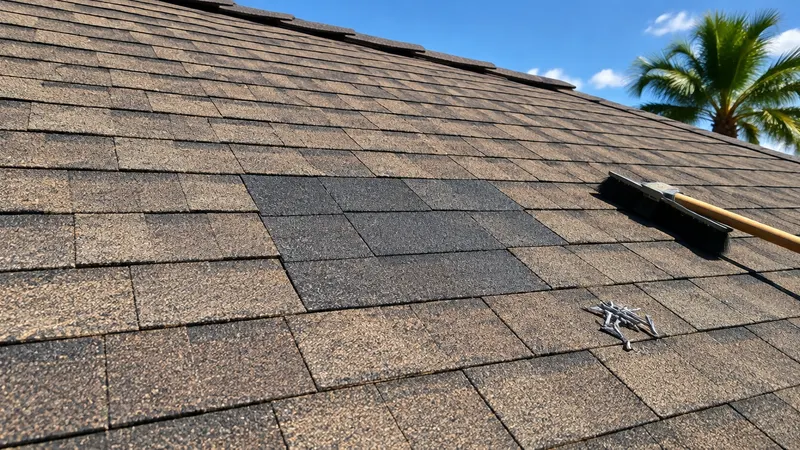
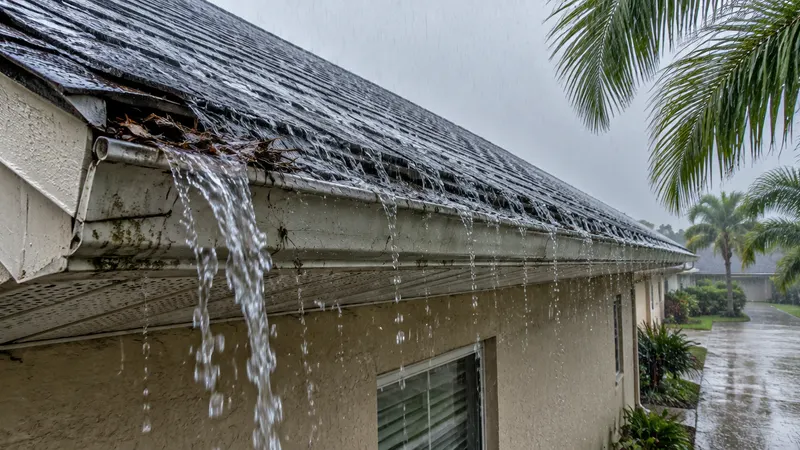
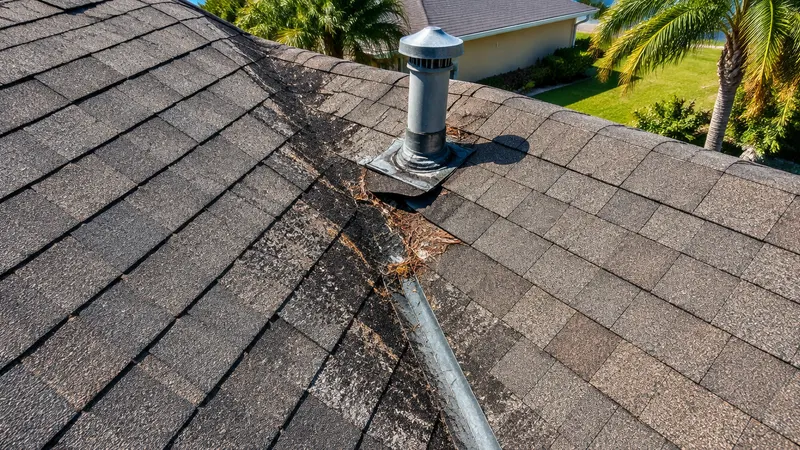
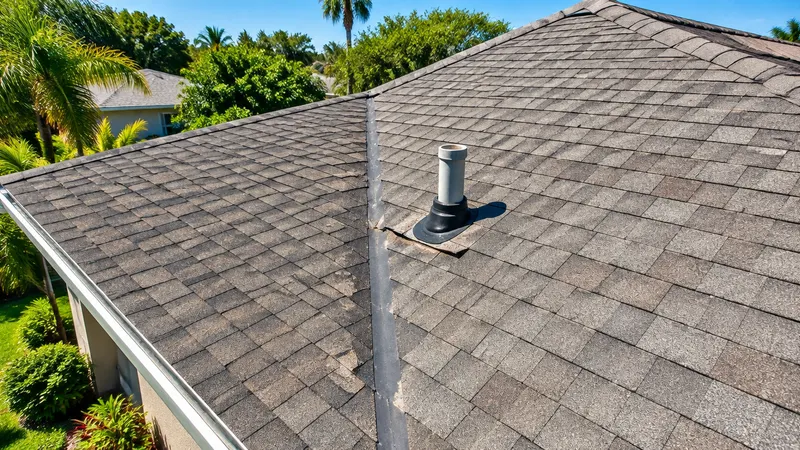
Roof leaks start at a few joints, not under the ceiling stain: valleys, pipe boots, chimney and skylight flashing, nail pops and debris in dead valleys.
Roof leaks start at a few joints, not under the ceiling stain: valleys, pipe boots, chimney and skylight flashing, nail pops and debris in dead valleys.
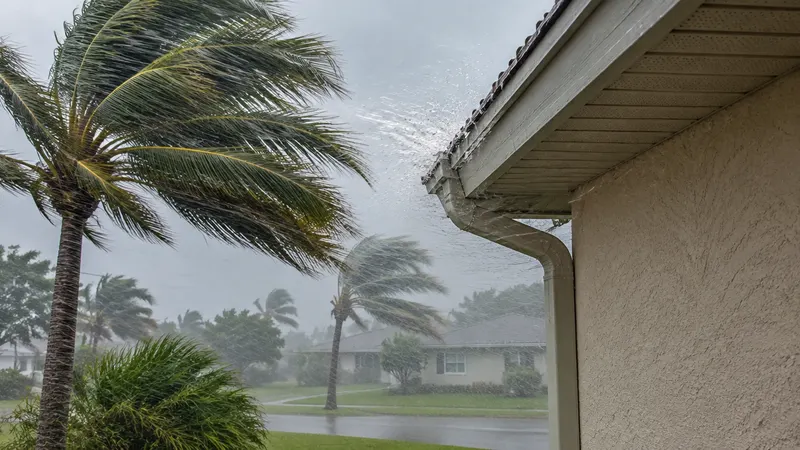
Why a roof stays dry through most rain and leaks in one storm: wind-driven rain, one wind direction, and flashing built to shed water that runs downhill.
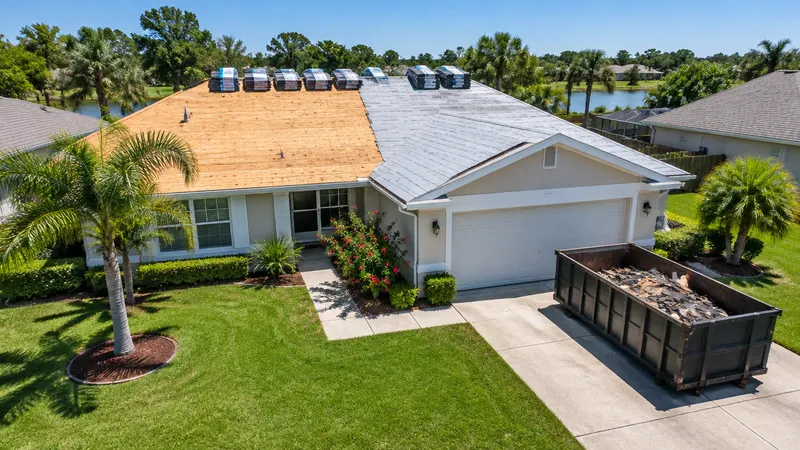
Why the weeks before hurricane season suit a re-roof in Hernando County, the risk of booking late, and why a sound roof does not need replacing in spring.
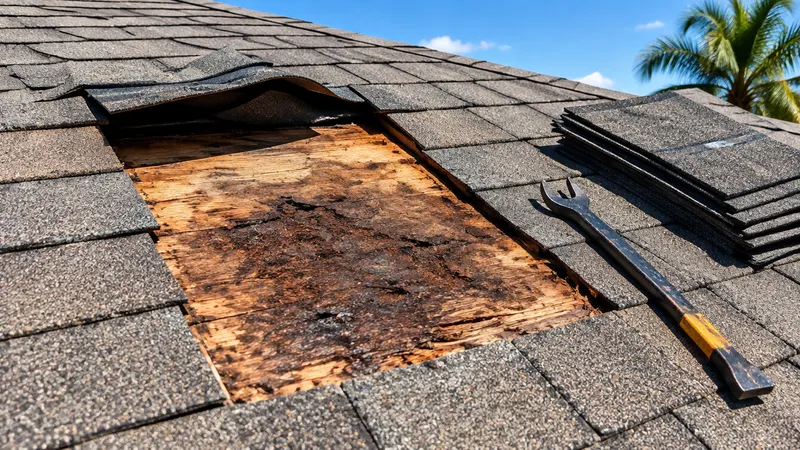
What happens when a small roof repair finds soft decking: photographs first, a change order you agree to before work goes on, and where repair ends.
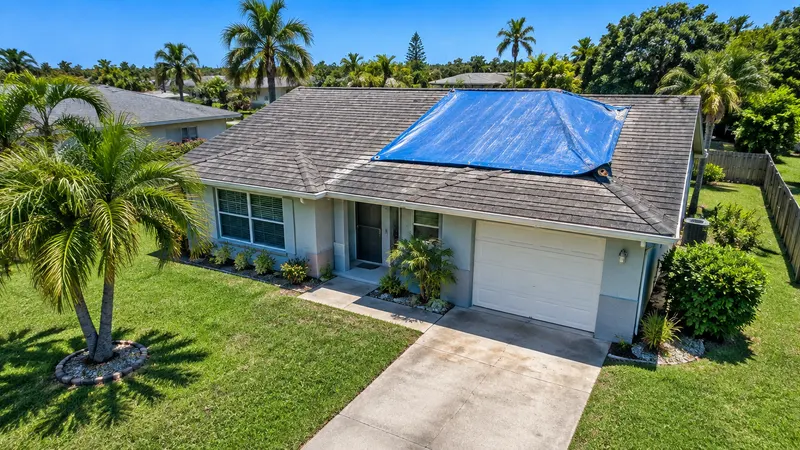
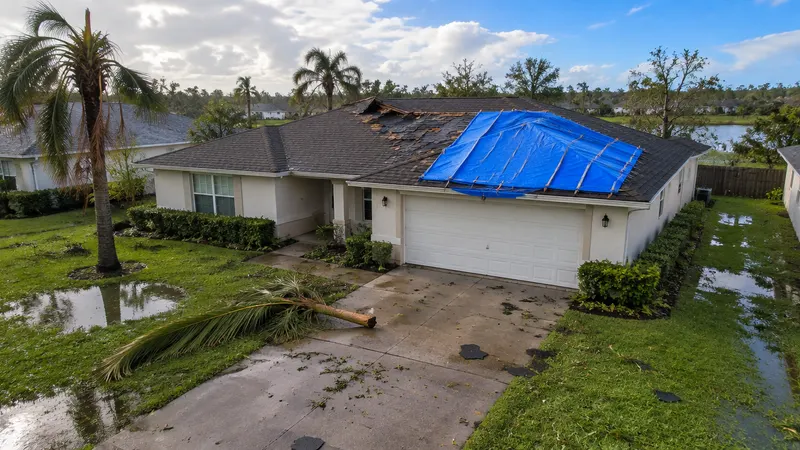
What a roof tarp buys you and for how long: how wind and sun wear it down, why the battens matter more than the tarp, and the signs a tarp is failing.
A short checklist for after the repair crew leaves: how the patch lies, whether flashing was replaced, the cleanup, the next rain, and when to call back.
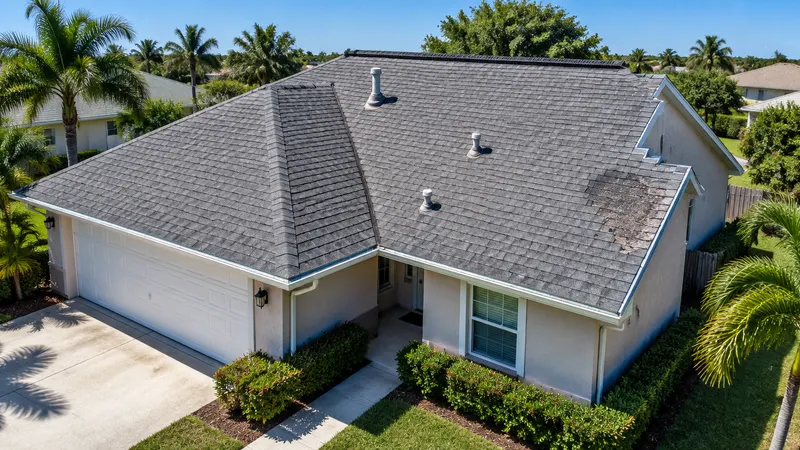
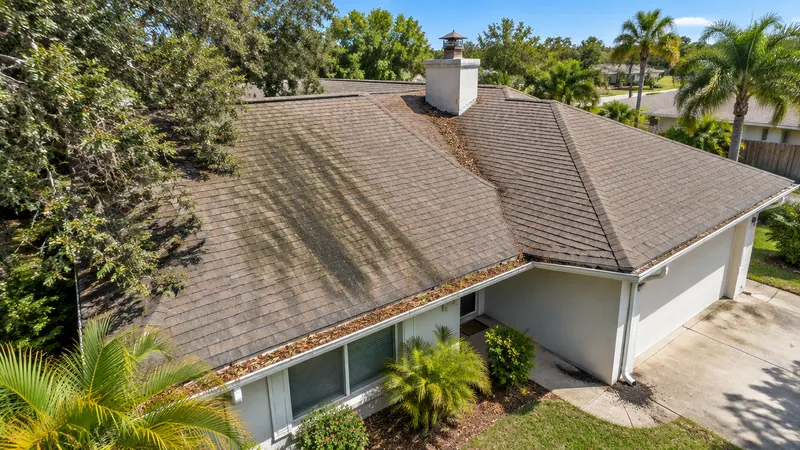
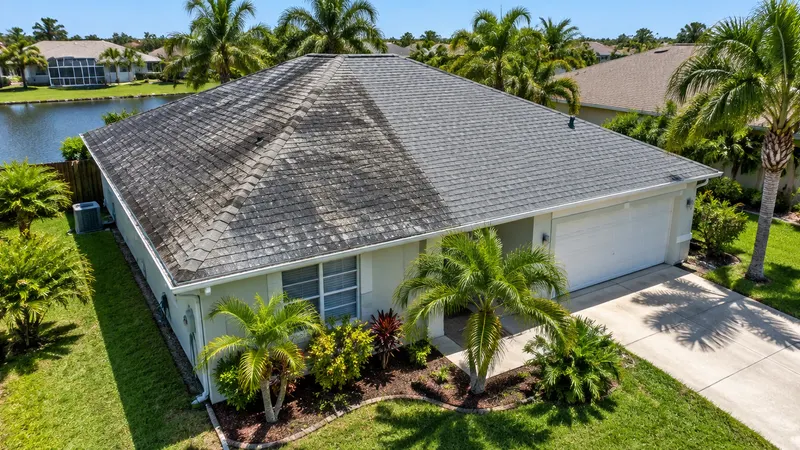
What wears a Florida roof out between storms: cracked pipe boots, nail pops, dried sealant, rubbing limbs, granule loss and valleys that hold debris.
A yearly look in late spring, a look after any named storm or hail, more often as the roof ages, and the few events that should prompt one any time.
What a homeowner can check once the crew has gone: lines, drip edge, flashing, boots, vents and nails, and what to raise before the warranty is filed.
A plain walk through every part of a shingle roof: deck, underlayment, flashing, boots, shingles, and the ventilation that protects them all.
What to do in the first hours of an active roof leak: protect what is below, relieve a ceiling bulge safely, cut power, and document the damage.
What a written roof estimate should name before you sign: tear-off scope, layers removed, underlayment, flashing, deck unknowns, permit, and warranties.
The short list of upkeep that actually extends a Florida roof between inspections, and which jobs are safer left to a contractor than done yourself.
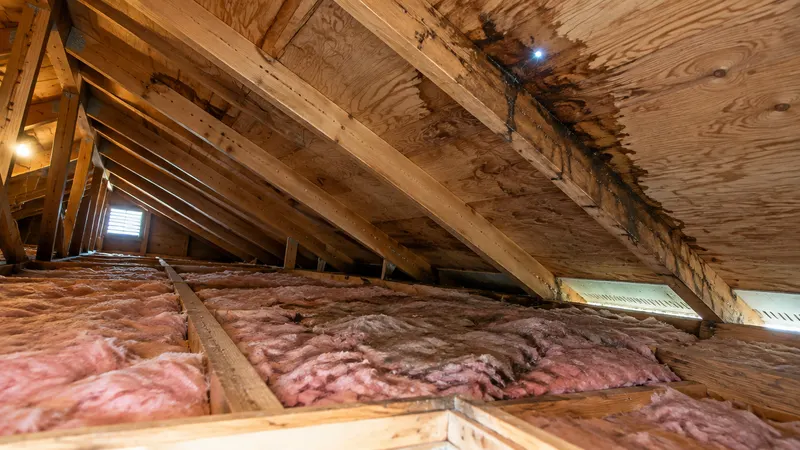
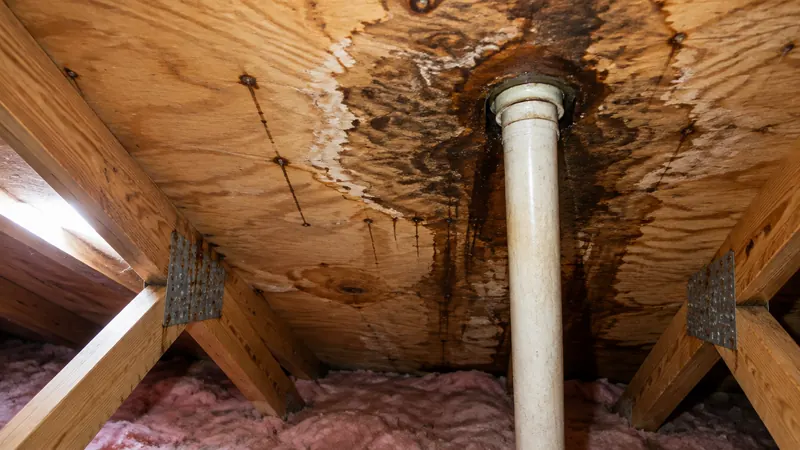
Daylight through the deck, water tracks on rafters, soft plywood, blocked soffit vents — what the inside of a Florida roof shows that the outside hides.
The first 48 hours after wind or hail hits a roof, in order: make the house safe, photograph the evidence, contain the water, then call the carrier.
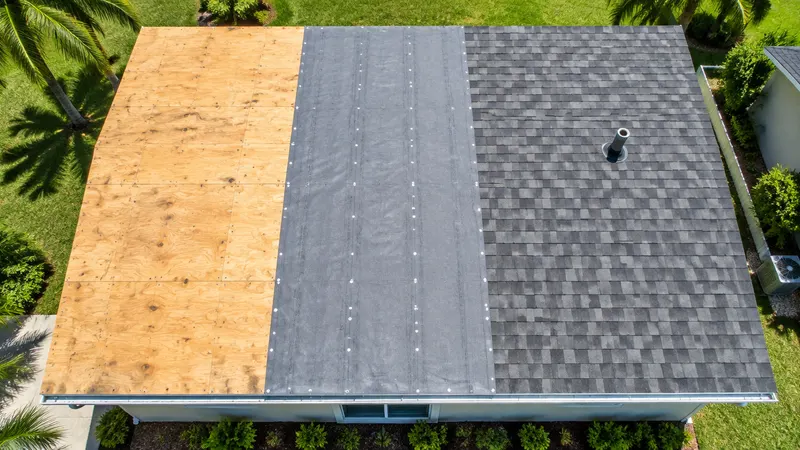
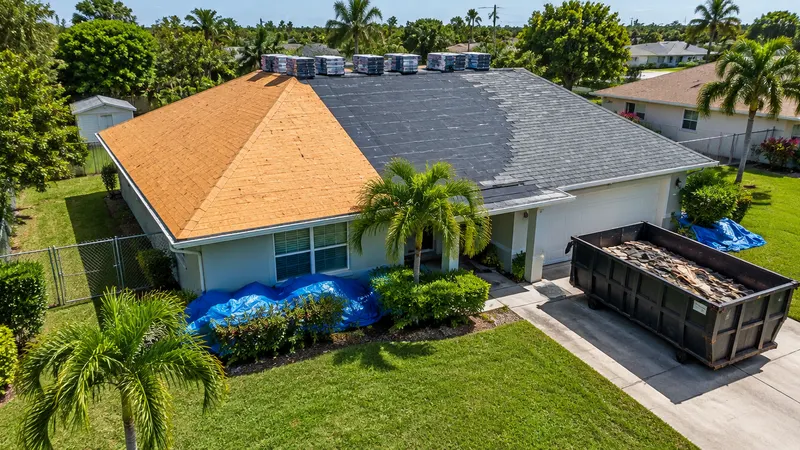
A day-by-day account of a residential re-roof in Hernando County: tear-off, deck repairs, dry-in, final surface, cleanup, permit and final inspection.
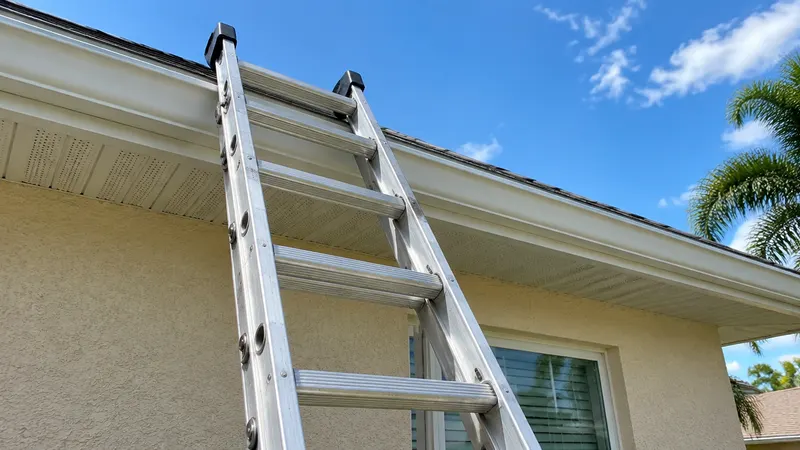
What happens on the day of a roof inspection, how long it takes, whether anyone walks the roof, and what the photographs and written report should contain.
Why a patched roof leak returns after the next heavy rain, how water travels before it drips, and how a roofer works back to the real source.
What can actually be done to a roof before storm season, which fixes matter most, what documentation to keep, and the honest limits of preparation.
Why the months before hurricane season are the right time to look at a roof, what a dry winter hides, and what a pre-season inspection should produce.
How to judge whether a Florida roof has life left: age against covering type, where failures start, what the deck is doing, and how renewals skew the call.
The common routes Florida homeowners use to pay for a roof when insurance will not, what to read in the terms, and what to ask a contractor who offers it.
Why the ceiling stain is almost never under the hole, where Florida roofs actually leak, and how to find the source without walking on the roof.
What a post-storm roof inspection looks for, why the damage that matters is rarely visible from the driveway, and the three inspections people confuse.